
How To Prevent Your Car From Overheating
You don’t have to have lived in Arizona for very long to know that our summer temperatures can get HOT! While YOU may be able to cool off at the neighbor’s pool or by sitting inside with the A/C, your car doesn’t have that luxury. Let’s take a look at how you can...
It’s Car Care Month – Are YOU Ready to Roll?
It’s officially spring, and you know what that means. Time for spring cleaning! While you’re at it, don’t forget about your car. After all, April also brings National Car Care Month. No, it’s not the only time you should care for your car. But, it IS a great time to...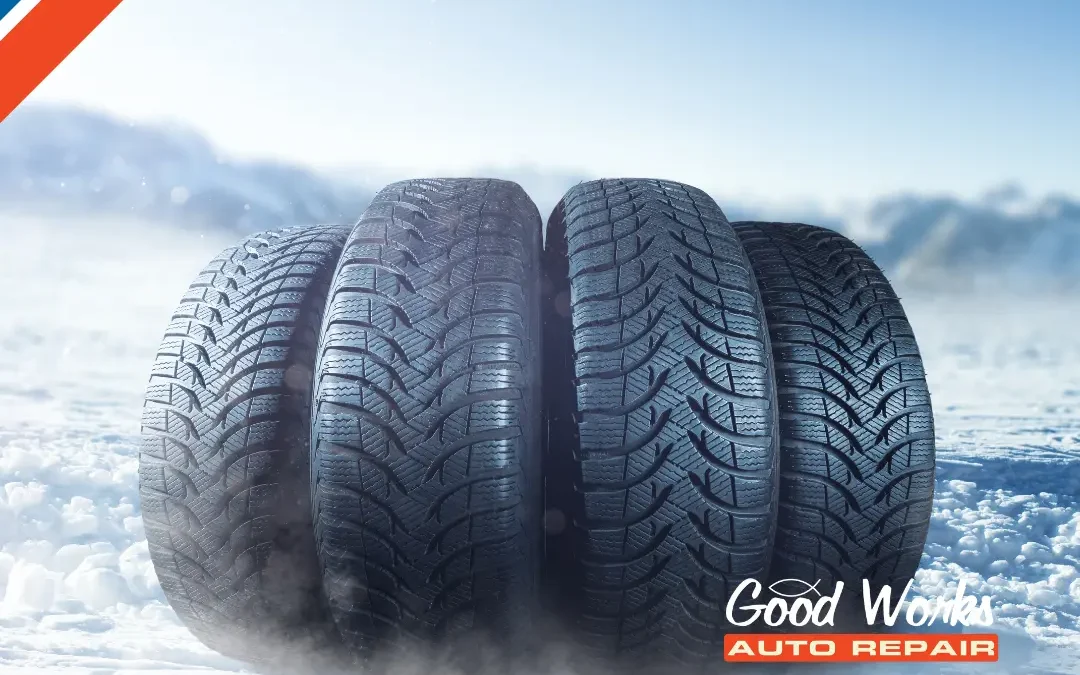
Are Winter Tires Really Necessary?
The answer to this question is generally affected by where you live, and more importantly, where you drive. In some areas of the country, winter tires, aka snow tires, are a wise investment, while in other areas, they might not even be a consideration at all. ...
Cold Weather and Car Batteries – Do They Get Along?
If you live in Arizona, you likely appreciate the fact that you get to avoid the significant snowfall and seriously cold weather that the northern half of the country gets during the winter. That doesn’t mean you can avoid the cold altogether, however. So how does...
Help Your Car Battery Beat the Heat!
Lately, it seems like the heat here in Arizona will never go away. The temperatures are really heating things up – but it is probably one of the things you love about living here! During the summer months, there can be a little extra pressure placed on your vehicle....Our Auto Repair Services Include:

Towing

Auto repair shops with payment plans near me